This weekend was the European HF Championship. The EUHFC is run by the Slovenia Contest Club. During the contest European amateurs try to contact as many other European amateurs as posible to compete for the title of “European HF Champion”.
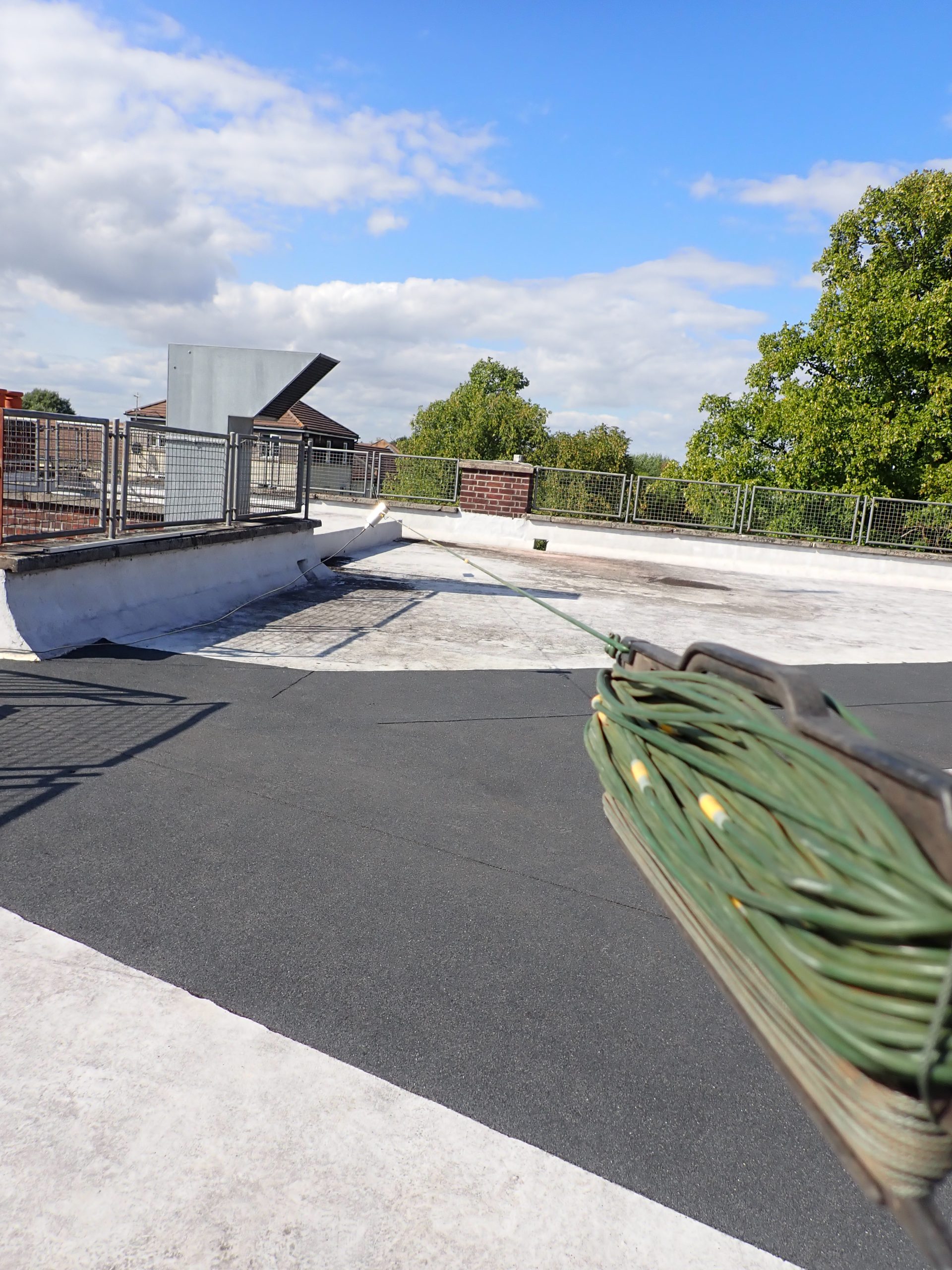
The contest is short in duration, just 12 hours, so I decided to use it for a quick bit of experimentation. I was also at work so I couldn’t dedicate more than a couple of hours in the evening so I needed to build something quick to put up and tear down. My favourite portable antenna (the double bazooka dipole) recently saw action last weekend in the RSGB Islands On The Air contest so I wanted to do something new. I have a British Army Clansman dipole kit which I recently acquired at a military show and has not yet seen action so I got that out. Rather than use the military balun (BNC) I re-terminated the ends of the braids with ring connections so I can use my normal balun with SO-239 connection to save coax adaptors etc.
The braids have handy frequency markers on so that you can reel out approximately the right amount. With the help of a VNA it just took a few minutes to tweek the length to be just right. The VSWR plot is below.
I installed the antenna on a handy flat roof with the antenna height about 3ft (1m) above the roof. The orientation is to give the maximum gain (broadside) to the East and West.
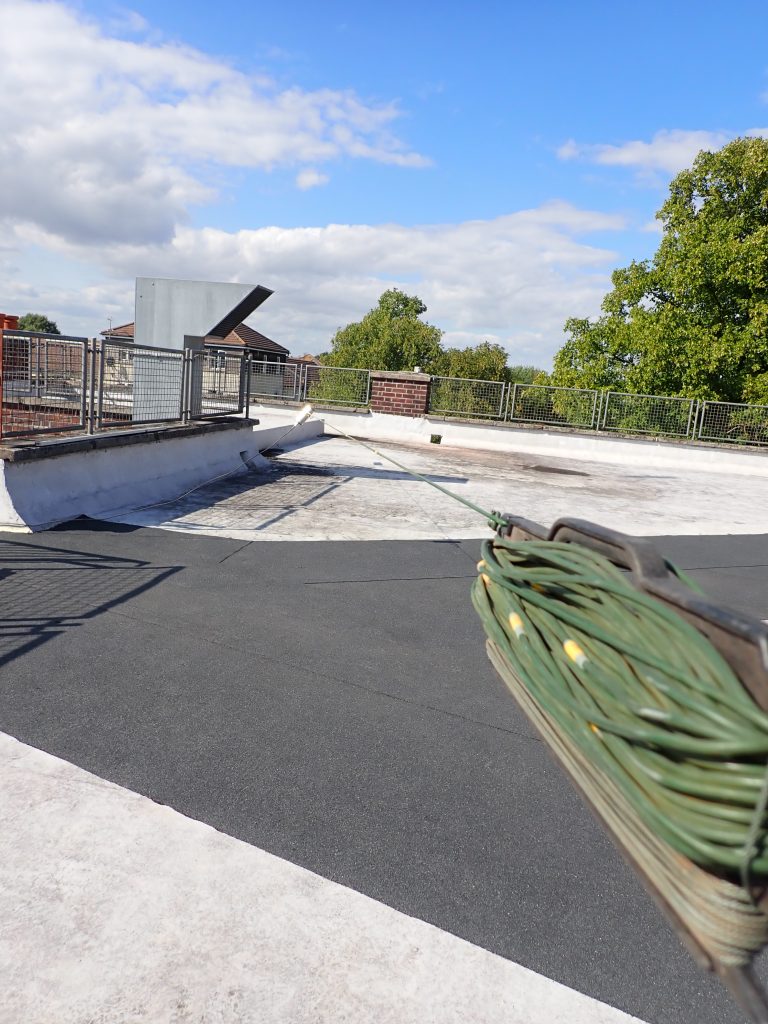
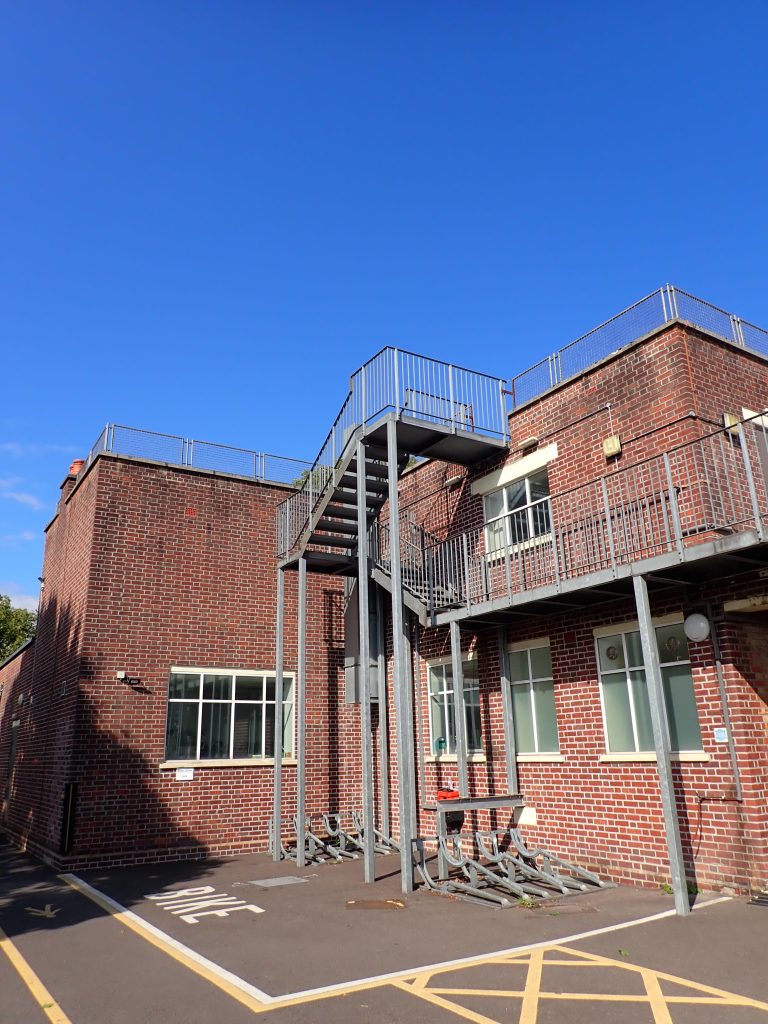
What I wanted to establish is how high is this antenna? Is this a Near Vertical Incidence Skywave (NVIS) antenna, close to the ground giving good coverage out to around 600km as you would expect if it was 1m above the ground? Or does this behave as a regular dipole antenna would 10m above the ground which is the approximate height of the roof?
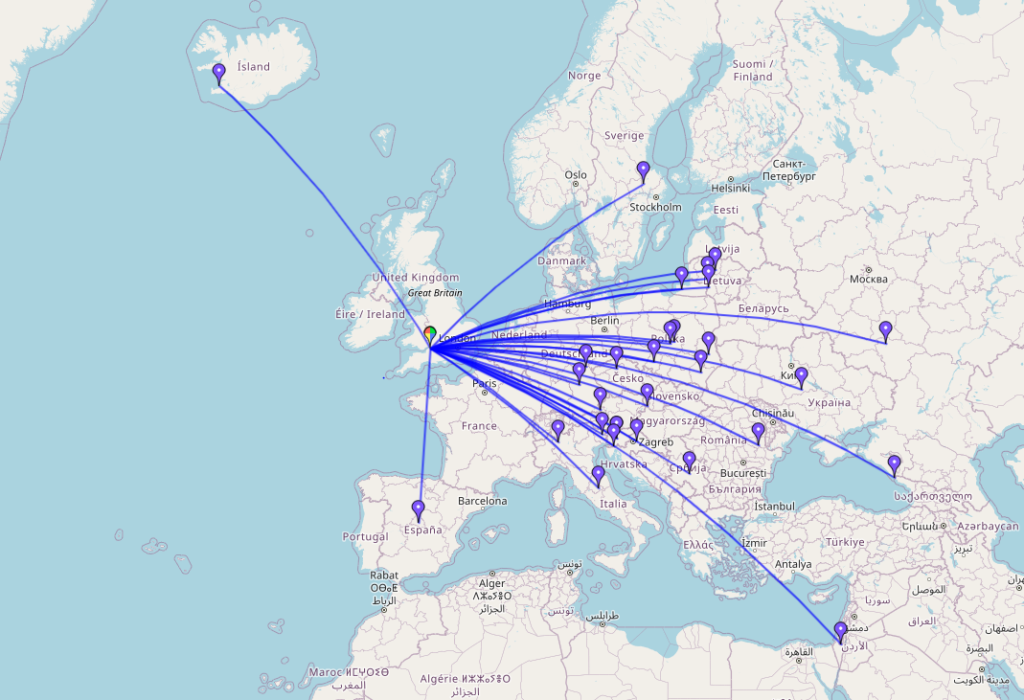
To test the theory I operated for two one hour periods in the evening when propagation was at it’s best. I observed that I was able to make a good number of QSOs at medium ranges, the closest was just under 1,000km to DB5SM in Germany and was difficult. By contrast my longest QSO was with 4Z5FI in Israel at 3,800KM and was an easy 5-9. As the contest was just European stations it was impossible to get any really long range contacts but mid distance to Eastern Europe and Russia was easily achieved with 20w of power. I didn’t make any QSOs less than 600km which is generally considered NVIS range. Here is a map of my 30 QSOs from the contest using DK5EW’s excellent online mapping tool:
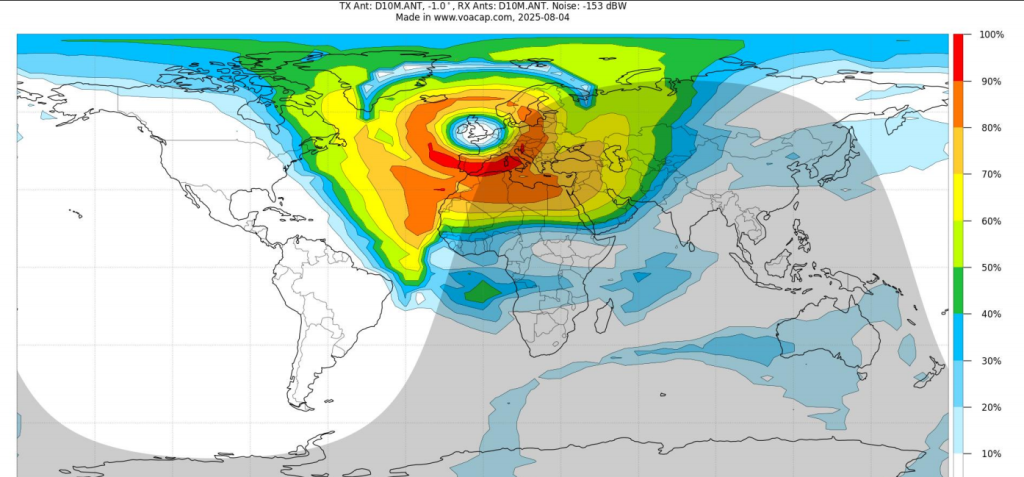
So in conclusion, an antenna mounted close to the roof of a building behaves more like it’s high above the ground with nothing underneath. Of course the structure of the building will have some effect and this will probably vary depending on the construction but in my experiment it did not seem to make any negative impact on performance using low power HF. The results match nicely the predicted propagation for a dipole at 10m above the ground from VOACAP:
I also tried lying the antenna directly on the roof but found that if the antenna was actually in contact with the roof the VSWR became >10:1 whereas at 1m the building structure did not seem to have any impact on the tuning.